



Clear communication helps buyers understand and resolve defects in title early.
You don’t expect to deal with defects in the title when you’re buying a home. But in Florida, these issues arise frequently enough that they’re a common consideration in many transactions. They can feel sudden, especially when everything else in the purchase is moving smoothly, but most problems are routine once the right title team steps in.
For buyers, the key is simple: these issues are common, they’re usually fixable, and they’re handled long before you reach the closing table.
Table of Contents:
WHAT TITLE DEFECTS ARE AND HOW ARE THEY FOUND?
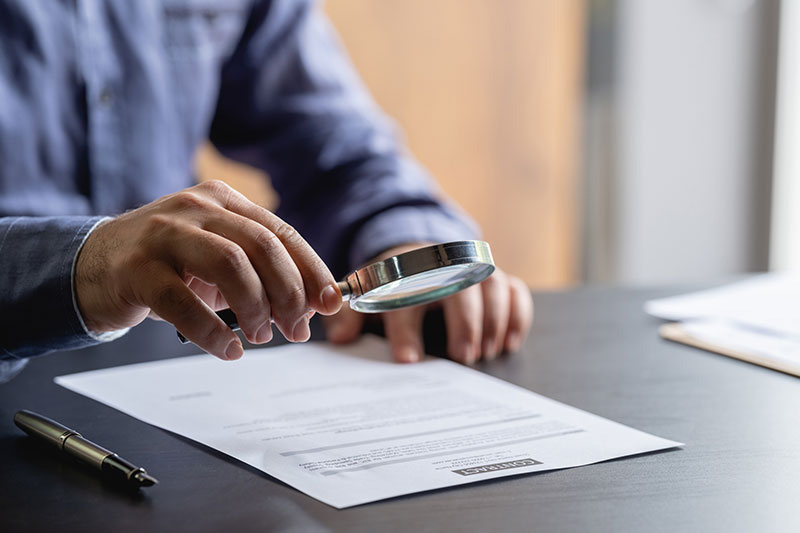
Careful title review helps catch defects early and keeps your closing on track.
Title defects sound complicated, but most come from simple issues in a property’s history or public records. Once you see the types of problems that show up in Florida files and how they’re found, the process becomes much easier to understand.
The most common examples of title defects fall into a few clear categories:
- Unpaid liens or judgments: Debts tied to the property that must be cleared before closing.
- Unreleased mortgages: Loans that were paid off but never recorded as satisfied.
- Ownership gaps and estate issues: Missing heirs, unclear transfers, or incomplete probate work.
- Boundary or survey problems: Lot lines, easements, or encroachments that don’t match current records.
- Errors in public records: Incorrect legal descriptions, misspelled names, or improperly filed deeds.
You see these issues in different ways across Palm Beach County. Older homes in West Palm Beach may have long ownership histories. Inherited properties in Lake Worth Beach might come with probate-related gaps. Condos in Delray Beach and Boca Raton sometimes carry old association liens or unreleased mortgages from earlier refinances. These patterns are common and often surface as soon as a title examiner begins reviewing the file.
A title company finds these problems by checking the property’s public records in detail. The examiner reviews deeds, mortgages, liens, tax records, and past transfers to confirm ownership and identify any claims. Each document is reviewed for accuracy and consistency, so there are no surprises at closing.
WHAT HAPPENS AFTER A DEFECT IS FOUND?
When a defect appears, the process doesn’t stop. Instead, it shifts. The title team explains what they found and begins planning how to fix it.
The first step is communication. The title company updates you, the seller, and the agents so everyone understands the issue and its impact on the closing. You get a clear explanation of what the defect is, why it matters, and what needs to happen next.
After that, the team studies the problem in more detail. They look at the documents involved, confirm the source of the issue, and outline the steps required to resolve it. At this point, they also give you a general idea of how long it takes to resolve title issues, knowing timelines depend on how complex the defect is.
Once the issue is confirmed, the curative work begins. This can involve paying or releasing liens, recording missing documents, obtaining probate records, issuing corrective deeds, updating surveys, or coordinating with lenders, prior owners, or local municipalities. Each task is completed in the order needed to clear the title and keep the file moving.
Most of this work happens behind the scenes. The seller and their attorney usually handle the items tied to their side of the defect, while the title company coordinates the process. In Palm Beach County, this often involves resolving an old association lien or obtaining a recorded satisfaction of a past mortgage. You’re updated throughout the process and only step in if something specific is needed from you.
Throughout this stage, the title team keeps the communication steady so you always know where things stand. Even when a defect seems unexpected, the steps that follow are structured, predictable, and designed to move the file toward a clean title.
BUYER PROTECTIONS AND PRACTICAL TIPS

Reviewing records early helps you spot defects in title well before closing.
Even when a title defect shows up, you, as a buyer, have strong protections in place. Your contract, your escrow funds, and your title insurance work together to keep your purchase secure while the issue is being resolved.
Your contract explains your rights when buying a house with a defective title. It gives you time to review the title, outlines how long the seller has to fix the issue, and protects you from closing until the title is clear. If the problem cannot be cured within the allowed timeframe, you can usually cancel the contract and receive your escrow deposit back.
Escrow also protects your money during the process. Your deposit stays in a neutral account until the title is resolved and both sides are ready to close, which prevents you from being financially exposed during delays.
Title insurance gives you protection after closing. Your owner’s policy covers certain issues that were not found during the search. This matters in older or inherited areas of Palm Beach County, including parts of West Palm Beach, Lake Worth Beach, and established neighborhoods in Delray Beach.
A few simple habits can also help you keep the process moving:
- Respond quickly to requests: Timely communication helps the title team keep your file on track.
- Avoid scheduling too early: Wait to make moving or financial plans until the title is cleared.
- Verify all wire instructions: Confirm them through a trusted phone number or secure portal and never rely on email alone.
- Ask questions when something is unclear: Your title team expects questions and will guide you through anything that needs explanation.
FAQs
Can you still close with a defect?
Sometimes, you can. If the issue is minor and the fix is already underway, closing may move forward with the lender’s approval. If the defect affects ownership or the lender’s security, closing must usually wait until the problem is resolved. Your title team will tell you which situation applies to your file.
How long does it take to resolve title issues?
Timelines vary. Simple items, like recording a missing mortgage release or obtaining a lien payoff, can move quickly once the right party responds. Issues tied to probate or legal disputes take longer because they involve additional steps. Your title company will give you an estimated timeframe once they understand the defect.
Does a title defect mean the seller did something wrong?
Not usually. Many defects in the title come from past owners, older records, or clerical mistakes. The current seller is often learning about the issue at the same time you are. The focus is on resolving the problem so the property can transfer cleanly.
Can title defects affect my loan approval?
Yes. Lenders need a clear, insurable title before they fund a loan. If the defect threatens that, the closing will pause until the issue is fixed. If the defect is minor and the solution is already in progress, the lender may allow the process to continue. You will be updated as the file moves forward.
What happens if a new defect is found right before closing?
The title team pauses the file, reviews the issue, and begins the cure process. Your closing date may shift if the problem affects ownership or lender requirements. Your escrow deposit remains protected while the issue is addressed.
KEEPING YOUR CLOSING ON TRACK, EVEN WHEN TITLE ISSUES APPEAR
When a title defect appears, you need a team that moves quickly, communicates clearly, and keeps the closing on track. That’s the role Coastal Abstract fills in every transaction.
Coastal Abstract focuses on identifying title defects early and explaining them in simple terms so you always understand what is happening. When an issue comes up, they guide you through the next steps and coordinate directly with sellers, lenders, attorneys, and local offices to keep your file moving.
If you have questions or need support with a closing, you can reach Coastal Abstract at 561.286.7394 or via email. Their team is ready to help you move toward a clear and confident closing.