



Each step in the real estate closing process builds on the one before it, keeping the transaction organized.
On closing day, money doesn’t move just because people feel ready. It only moves after ownership is verified, old debts are cleared, every dollar is paid, and the deed is approved for recording. This is what the real estate closing process really looks like, and it’s there to protect you when your financial risk is at its highest.
Knowing how that structure works helps you avoid surprises and focus on what actually matters as you move toward closing. It provides context for each decision and shows you where the process protects you rather than slows you down.
Table of Contents:
THE STEPS OF THE REAL ESTATE CLOSING PROCESS
Once a contract is signed, the real estate closing procedure follows a set sequence. Some steps move quickly; others take longer depending on lenders, records, and local requirements. Seeing the steps in order helps you understand what’s happening now and what comes next as the transaction moves forward.
Phase 1: Opening the file and reviewing the contract
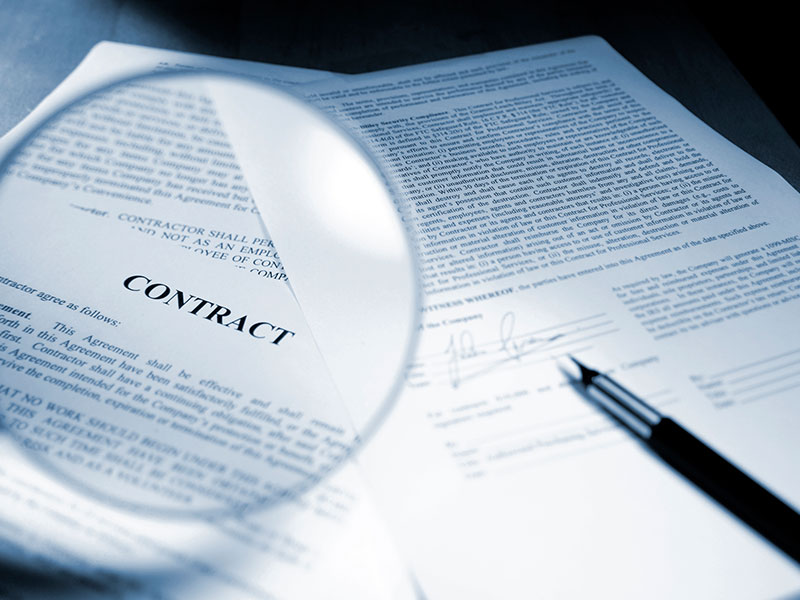
Verifying documents early helps keep the real estate closing procedure on track.
Phase 1 begins once your contract is fully signed. The title company opens the file and records the key details that guide the rest of the real estate closing process, including who’s involved, the property information, the financing terms, and all contract deadlines. This creates the working roadmap for everything that comes next.
At this stage, the title company double-checks the basics while changes are still easy to make, including your name, property details, purchase terms, and lender information. Fixing small issues at this point helps avoid delays later, when documents are already prepared and timelines are tighter.
This is also when the title search starts. Public records are reviewed to confirm who owns the property and to flag anything tied to it, such as liens, unpaid taxes, recording errors, or any other title defects.
Phase 2: Clearing issues and preparing documents
This phase is where any issues found during the title search move into cleanup. Here, liens are cleared, mortgage payoffs are confirmed, and missing or incorrect records are fixed. Many of these items are handled by the seller as part of their own closing process, with the title company coordinating the work so everything stays on schedule.
As those items are resolved, the settlement statement, deed, and required disclosures are prepared using updated numbers from the lender, the seller, and any associations involved.
For buyers, this phase is all about checking the total costs before closing day. Focus on the numbers that affect what you’ll bring to closing, like prorated taxes, association dues, and credits. You don’t need to review every line, but you should understand the final amount. Questions raised here are much easier to fix than issues found at the closing table.
Phase 3: Funds, walkthrough, and signing

A walkthrough helps identify issues while there’s still time to address them.
At this point, most of the real estate closing process is already in motion, meaning this phase is really just about confirming that everything still matches what you agreed to in the contract.
It usually starts with your cash to close. The title company tells you how and when to send funds, so remember to always verify those instructions using a trusted phone number or secure portal before sending anything.
Next comes the final walkthrough, usually close to closing day. This is your chance to confirm that the home is in the agreed-upon condition and the required repairs were completed. If something isn’t right, it should be addressed before you sign.
Signing comes last. You review the closing documents, confirm your identity, and complete notarization. Once signing is done, the file is ready to move into final funding and recording.
Phase 4: Funding, recording, and ownership transfer
After all documents are signed and approved, the lender releases funds, and the title company completes final checks to confirm everything is authorized.
Once funding is confirmed, funds are disbursed through escrow based on the settlement statement you reviewed earlier. Seller proceeds, mortgage payoffs, commissions, and required fees are paid in the correct order so the transaction settles as agreed.
The deed is then recorded with the county’s official records, which is what completes the ownership transfer. Timing may vary by county and recording method, but ownership doesn’t officially change until this step is finished.
After recording, the post-closing work is completed. Title insurance is issued, and final documents are sent out. Possession and key delivery follow the terms of your contract, which is why recording, not signing alone, marks the true end of closing.
BUYER AND SELLER RESPONSIBILITIES AT A GLANCE

Clear buyer and seller roles help prevent last-minute closing issues.
As closing approaches, you’ll be asked to handle a few final items, while the seller handles others. Knowing which tasks fall on your side helps avoid last-minute delays. Here’s how those responsibilities typically break down:
|
|
|
|
When both sides stay on top of these items, the closing moves smoothly from signing to recording. If the property is part of a condominium or HOA, association documents and move-in rules should be addressed early, since they may affect timing and final costs.
FAQs
How long does the real estate closing procedure usually take in Florida?
The real estate closing process for a financed purchase in the state usually takes about 30 to 45 days from contract to closing. Timing depends on financing, title findings, inspections, and how quickly approvals and documents are completed. Cash transactions often close sooner.
What can delay closing a house at the last minute?
Last-minute delays often come from unresolved title items, late lender approvals, missing HOA or condominium paperwork, or changes to the final numbers that need review. In Florida condo and HOA deals, estoppel documents are common.
What should I do if something looks wrong on my closing statement?
Don’t sign until it’s explained. Contact your title company or lender right away and ask for clarification. Issues like prorations or credits are usually easy to fix if they’re caught before funds are released.
Can a real estate closing be delayed after documents are signed?
Yes. Signing documents does not complete the transaction. A closing can still be delayed if funding is held up, a title issue appears, or recording cannot be completed right away. Ownership only transfers after funding and recording are finished.
What closing costs should buyers and sellers expect in Florida?
Closing costs vary by transaction. Buyers often pay lender fees, recording charges, and prepaid items like taxes or insurance. Sellers usually cover commissions and costs related to clearing title and meeting contract terms. The settlement statement and closing disclosure show the exact amounts before closing.
CLOSING WITH CONFIDENCE: WHY THE RIGHT TITLE PARTNER MATTERS
By the final stages of the real estate closing process, even the smallest details matter. Each step depends on accurate information, clear communication, and steady follow-through so the transaction finishes without delays.
That’s where Coastal Abstract comes in. They manage the closing from contract through recording, coordinating buyers, sellers, lenders, agents, attorneys, and local offices. When title issues or missing information come up, they address them early and explain the next steps clearly so the closing stays on track.
If you’re approaching closing and want clarity instead of stress, contact Coastal Abstract directly. Call 561.286.7394 or send them a message to ask questions, confirm next steps, or start the closing process with a team that keeps everything organized and secure.